We are based in North-West Cambridgeshire and for the majority of children our assessments are conducted face-to-face at our friendly practice. For adults, we offer face-to-face or remote assessments to suit.
If you are looking for an assessment for dyslexia, click here.
If you are looking for an assessment for dyscalculia, click here.
Autism is a spectrum condition, meaning it affects individuals differently, with varying degrees of severity. It’s a lifelong condition, but the need for support and services can vary greatly.
Social Communication and Interaction: People with autism may have difficulties with understanding and responding to social cues, engaging in reciprocal conversations, and forming relationships.
Restricted and Repetitive Behaviours, Interests, or Activities: This can include repetitive movements, insistence on sameness, or intense focus on specific interests.
Sensory Sensitivities: Some people with autism may have heightened or diminished sensitivity to sensory input like sounds, lights, textures, or smells.

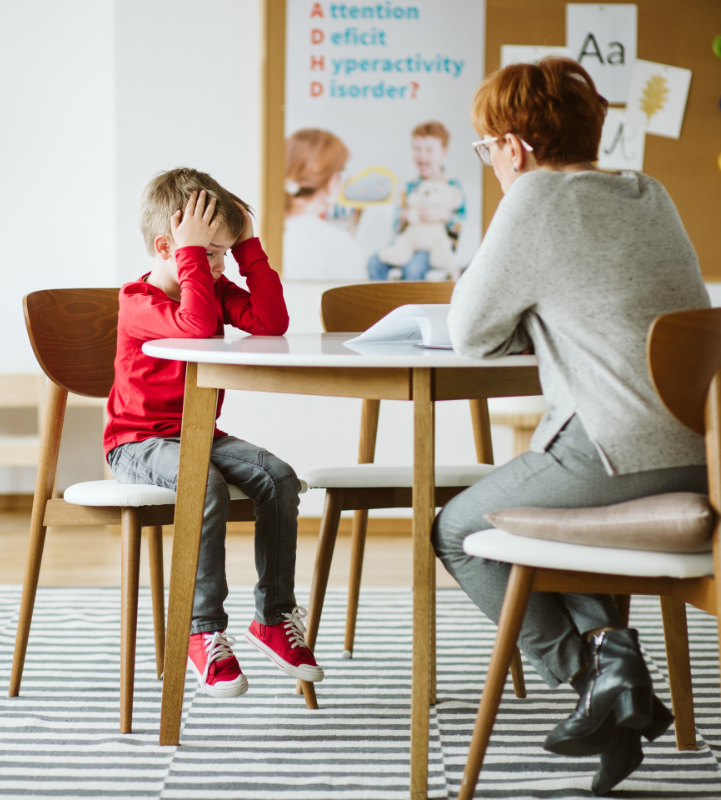
ADHD (attention deficit hyperactivity disorder) is a condition where the brain works differently to most people. People with ADHD may have trouble with things like concentrating and sitting still.
Symptoms of ADHD usually start before the age of 12. They involve a person’s ability to pay attention to things (being inattentive), having high energy levels (being hyperactive) and their ability to control their impulses (being impulsive).
A person may show signs of being inattentive, such as:
They may show signs of being hyperactive and impulsive, including:
Good afternoon.
Many thanks for such an informative report. We very much appreciate your feedback and will use the recommendations and suggestions at home. We will also pass this on to A’s secondary school. We hope you find some time to have a restful summer.
Many thanks,
Hi,
Just wanted to say thank you SO much for today. It's helped K so much!!!
I think what you do is amazing and to rescue all those beautiful animals too!
Have a wonderful holiday!!!!